Engine Break-In Procedures for Remanufactured Engines (Gas, Diesel & Marine)

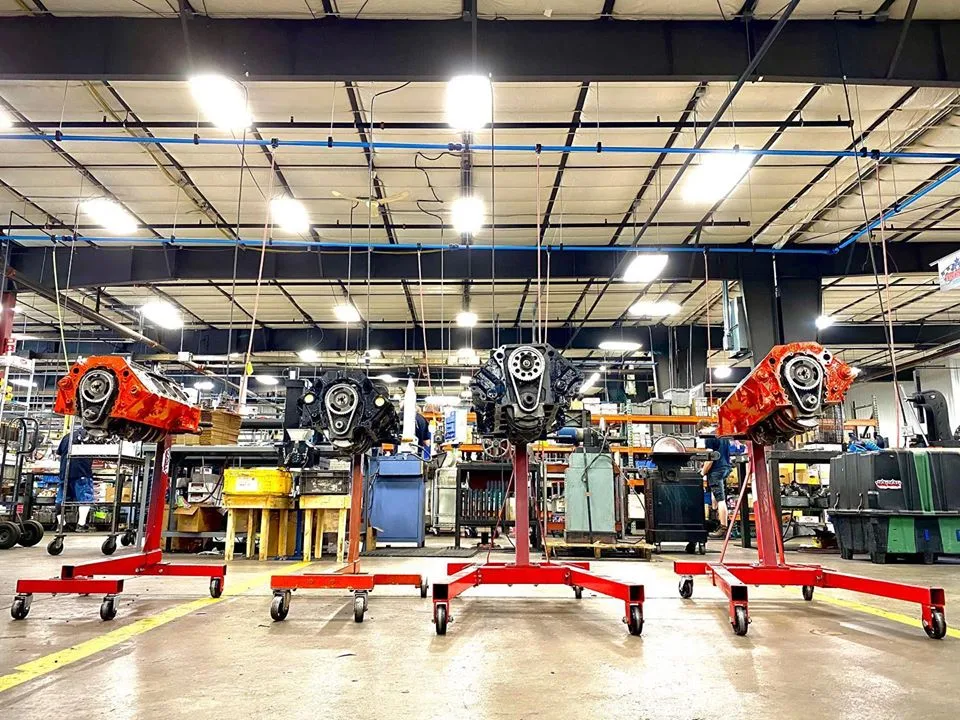
Proper engine break-in procedures are critical to ensure maximum performance, durability, and long engine life. At Engines Factory, we provide professionally remanufactured engines built to OE specifications. Following the correct break-in process for gas engines, diesel engines, and marine engines helps ensure proper piston ring seating, optimal compression, and long-term reliability.
Initial Start-Up Procedure (All Engines)

Before starting your remanufactured engine:

  • Fill with manufacturer-recommended engine oil
  • Verify coolant and fuel system levels
  • Prime the oil system (if applicable)

At first start:

  • Confirm oil pressure immediately
  • Run engine at 1,000–1,500 RPM for 2–5 minutes
  • Inspect for oil leaks, coolant leaks, and abnormal noises

👉 Avoid extended idling during initial start-up

Gas Engine Break-In Procedure

First 0–500 Miles

  • Drive under moderate load conditions
  • Vary engine speed frequently (avoid constant RPM)
  • Avoid full throttle, high RPM, and engine lugging

Oil Change

  • Replace engine oil and filter at 500 miles

500–1,000 Miles

  • Gradually increase RPM and load
  • Resume normal driving after full break-in period

👉 Proper gas engine break-in ensures correct piston ring sealing and reduces oil consumption

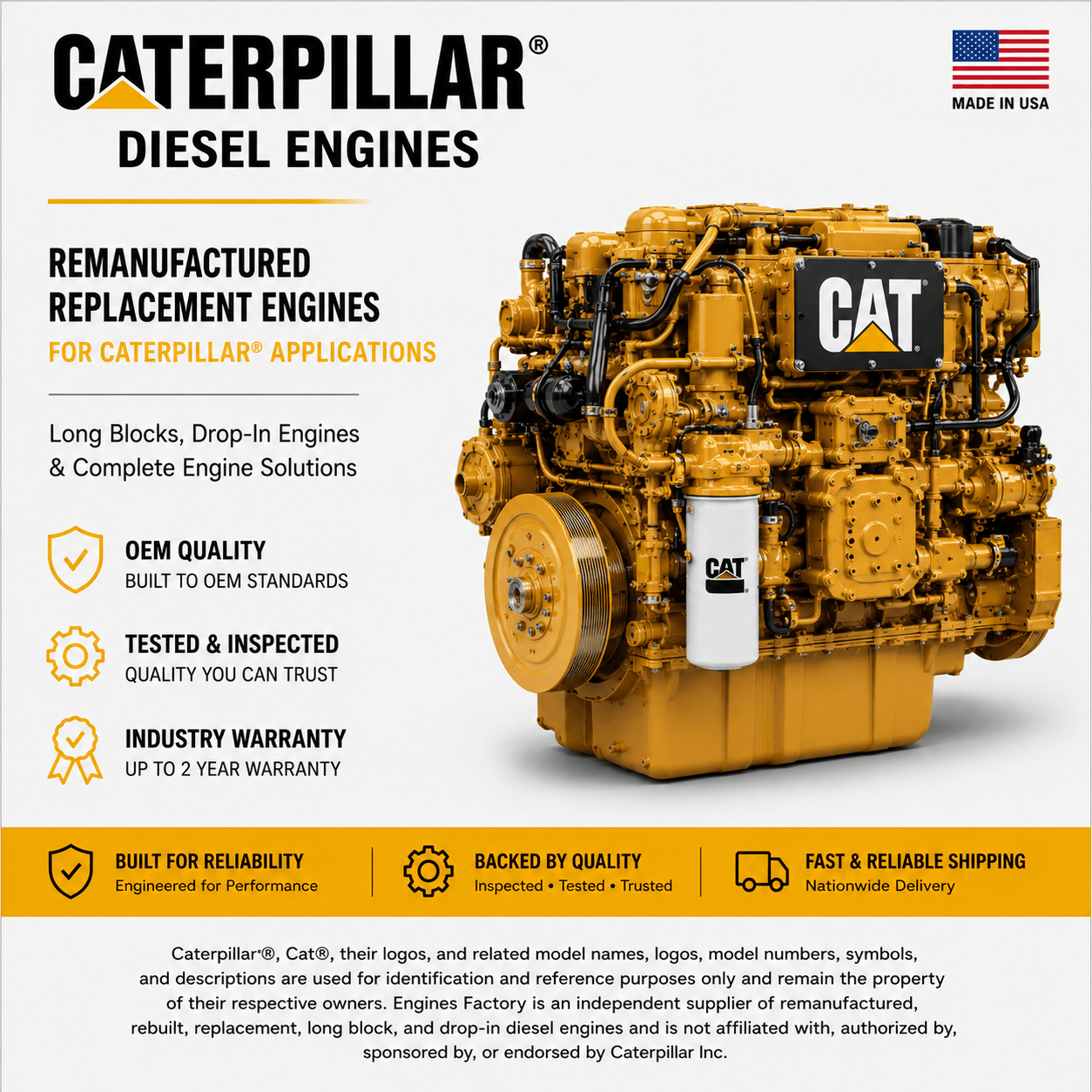
Caterpillar remanufactured rebuilt diesel engines including CAT long block engines, drop-in diesel engines, replacement heavy-duty truck engines, industrial diesel engines, and commercial powertrain solutions by Engines Factory.

Diesel Engine Break-In Procedure

First 0–1,000 Miles

  • Operate under controlled engine load
  • Vary RPM and driving conditions
  • Avoid excessive idling and light-load-only operation

👉 Diesel engines require load for proper ring seating

Oil Service

  • Change oil and filters at 500–1,000 miles

Important Notes

  • Avoid early heavy towing or extreme load
  • Short bursts of moderate boost/load are beneficial

👉 Proper diesel engine break-in improves power, fuel efficiency, and longevity

Marine Engine Break-In Procedure PUT IN RE

First 0–10 Hours

  • Operate between 1,500–3,500 RPM
  • Vary throttle frequently
  • Avoid continuous wide-open throttle

10–20 Hours

  • Gradually increase RPM and load
  • Short bursts of higher RPM allowed

Oil Change

  • Change oil and filter at 20 hours

👉 Proper marine engine break-in ensures optimal performance and durability in marine environments

Universal Break-In Guidelines

DO:

  • Vary engine speed and load
  • Monitor oil levels regularly
  • Allow proper engine warm-up
  • Follow maintenance schedules

DO NOT:

  • Idle excessively
  • Use cruise control during early miles
  • Run at constant RPM for long periods
  • Overload engine during break-in

Why Engine Break-In is Important

Correct engine break-in procedures ensure:

  • Proper piston ring seating
  • Improved compression and efficiency
  • Reduced oil consumption
  • Increased engine lifespan

Failure to follow proper break-in procedures may result in reduced performance, premature wear, and possible warranty issues.

Warranty Notice

All remanufactured engines must be operated according to recommended engine break-in guidelines. Failure to follow proper procedures may affect warranty coverage.

What are you looking for in Partdo?
Skip to content